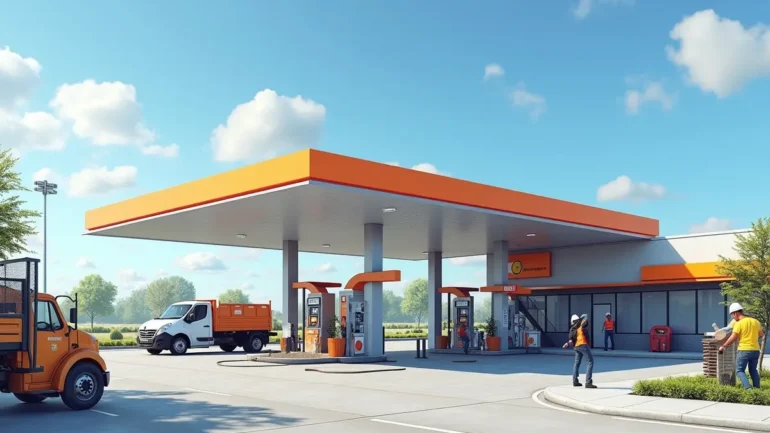
Gas stations have an equipment problem. Pumps fail. Underground storage tanks need to be replaced. Point of sale systems go obsolete long before anyone wants to admit it. The real problem is not the work that needs to be done but how to pay for it all without emptying the company checking account or the owner’s personal funds.
Most gas station owners face this problem at least once in their ownership life cycles. The C-store needs to be updated. The forecourt lighting system is close to giving up the ghost. An underground tank needs to be replaced to comply with environmental regulations. These are not choices owners should think too long about before dealing with it.
Financing Necessary Equipment
The reality of gas station ownership is this. Profit margins are low but the costs of their equipment is not. Each fuel pump replacement costs the owner thousands, and that’s without the installation fees. An underground storage tank can cost a hundred grand or more depending on its size and regulatory requirements. Even small problems can cost a lot when credit card readers or refrigeration units go down.
The old advice of saving for a big purchase does not work in this situation. The replacement pump may be of such low quality by the time the funds have been saved that it causes real-world losses in business as well as annoyed customers. Furthermore, saving up a comfortable amount can also keep a station owner from paying attention to other growth issues.
Equipment Loans: Lending Options
Gas stations don’t function like other retail stores, and many of these financially sound financing options realize that. Specialized gas station loan options take into account the irregular cash flow cycle of these businesses thanks to delays in credit card payments and wholesaler fuel purchases.
These lending options do not punish owners for this strange cycle. These types of financing options realize that although gas stations generate steady cash flow, the flow is usually tied up in inventory and receivables. Instead of punishing owners with repayment structures that work against his cycle of operations, lenders offer options that make sense for his business.
What Equipment Can Be Covered?
Equipment loans usually cover the items that keep the station running. When it comes to these types of loans, most people think of fuel pumps and underground storage tanks that can be covered. Canopy structures, lighting systems, and even convenience store interiors can often be included when it comes to these loans as well. Some lenders offer equipment loans for backup generators, car washes, and security systems too.
One great benefit of these types of loans is that the equipment covered can be considered collateral. This can lead to better interest rates than unsecured loans as well as higher amounts offered since often only one piece of equipment will be covered by the lien. Other items the business has need not to be encumbered, which keeps doors open for other loans if necessary.
Working Capital Loans for Other Expenses
Not all expenses can be considered equipment related. Different stages in a business cycle can create situations that need cash to cover. An owner might need to replenish inventory, hire new employees, or other issues that are unrelated to equipment. Working capital loan options exist so an owner does not have to use his operational funds.
There are a variety of options when it comes to financing these types of expenses. Some financing options draw funds from a line of credit, while some offer one-off cash payments that can be paid back over time. When it comes to these types of problems, however, it’s a good idea to think about the best structure for the problem needing attention. Short-term plans for replenishing inventory can call for short-term loans, while even medium-term issues can be considered for more favorable terms.
What Will Be Spent?
Most people only think about the rates different lenders offer when it comes to financing products. These rates include many factors that can change based on market conditions as well as the credit score of the recipient of the funds.
It’s important to remember this, however: Paying the lender interests on financing products for five years mean nothing when replacing pumps with efficient new pumps means that fewer repairs to the pumps need to be made. The increased number of customers that can be served in a day can also repay the costs of the funds received within a year. Interest rates are only one minor cost to consider when looking for funds.
Alternatives to Traditional Options
Many station owners avoid traditional options when it comes to financing loans for equipment costs. Equipment leasing programs can deliver the same results without purchasing the equipment, however, owners will never be able to use the equipment related to their businesses freely.
Another type of financing program is revenue-based financing. This limits repayments to sales figures and does not create a cycle of repayments that cannot ever be broken. Another option that is often used by some owners is supplier financing. The equipment manufacturers can sometimes offer their own financing options for the equipment purchased. These often come in bundled packages that also cover installation and maintenance related to the equipment purchased.
Choosing Financing: Debt Isn’t Bad
The question owners should ask is not whether lending options are good or bad. They should ask if a specific lending option is wise for their specific needs.
Gas station owners who understand their company’s cash flow patterns, their growth patterns and their equipment needs can scrutinize their options much better than people just thinking about financing as an option when they are desperate for help.
Proper planning ahead of time can make all the difference. Learning about financing options before equipment fails can help owners negotiate terms when they’re calm rather than in the midst of a rescue emergency. The interest rate circumstances can also be improved by owners by improving their businesses over time.
Gas stations require constant injections of cash to keep them running and to cover equipment needs. Smart use of financing can cover some of those costs instead of pretending that repayments should never be made.