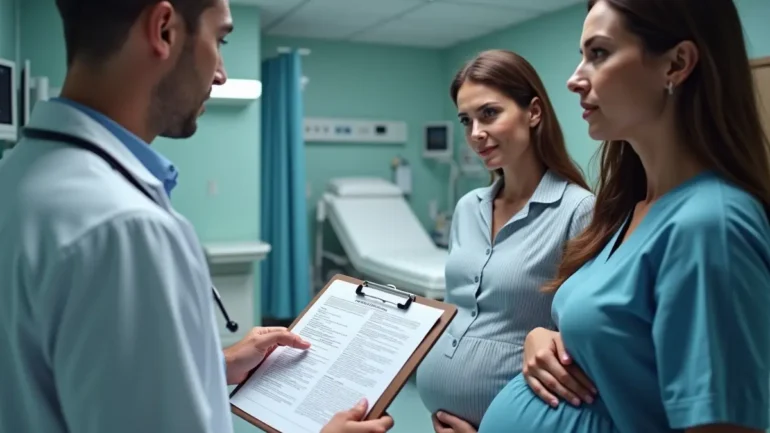
When things don’t go to plan during childbirth, some parents have a daunting decision to make as to whether what happened was truly a tragic complication or something that could’ve been prevented through different care. Understanding the difference is crucial, not only for emotional reasons, but legal ones too.
Medical negligence during childbirth occurs under a definition of legal parameters more than moral or emotional ones. Knowing what constitutes medical negligence during childbirth is crucial for those families who need to clarify their situation in the face of trauma.
Legal Definitions Change Everything
Not every complication or unfortunate circumstance warrants blame for those entrusted with a patient’s care. Medical complications are an inherent part of life — even under the best conditions, the worst can happen through no fault of anyone involved. Negligence only enters the picture when a medical professional fails to act in accordance with how other competent professionals would have acted in the same situation, and that failure results in injury.
To establish negligence, three things must be proven: that the standard of care was not met, that this breach directly caused an injury, and that the injury produced measurable damages. Each element is essential. An error that causes no injury is not legally negligent, nor is an injury that occurred without any breach of duty.
When Monitoring Errors Become Critical
One of the most common situations in which negligence arises is monitoring. When women are in labour for extended periods, consistent or intermittent monitoring of how the baby is responding to contractions is essential, and opportunities for adult intervention should exist within an expected timeframe.
If a woman’s complaints are ignored, or if the frequency of checks on the baby warranted further intervention that never came, this can give rise to negligent findings further down the line. Even brief oxygen deprivation can cause permanent brain damage in an otherwise healthy infant.
That said, not every instance of limited oxygen automatically leads to a finding of negligence – context matters enormously. Failure to treat carries different implications than failure to recognise a problem in time. Parents who believe their baby’s care during labour was mishandled should consult a Birth Injury Solicitor to discuss their options, as these professionals are well placed to determine whether reasonable care was attempted or whether compounding errors ultimately caused the outcome.
Delays That Impact Everything
Timing is everything in childbirth. When something goes wrong, it demands immediate attention — delays in triage only risk turning avoidable situations into tragedies. Whether it is a necessary caesarean section being postponed due to a doctor’s hesitation, or time lost by failing to call for senior assistance when complications arise, such delays can constitute medical negligence where they result in preventable injuries or fatalities.
Admittedly, this is a complex area of medicine. Professionals are often required to make snap judgments under considerable pressure, and course correction is sometimes unavoidable — though at other times, the right course of action would have been clear to any competent professional in the room. When a situation calls for the involvement of a more experienced colleague, the failure to make that call at the critical moment is itself a serious lapse.
Shoulder dystocia requires prompt, knowledgeable intervention to safely deliver the baby, while cord prolapse demands emergency action, often within minutes. In either case, failure to act constitutes potential negligence.
Medication Mistakes During Labour
Medication management during labour is another area where negligence can occur. Syntocinon, a drug used to promote or strengthen contractions, carries real risks when administered excessively. Overuse can place undue strain on the baby rather than aiding delivery, and appropriate limits should be carefully assessed on a case-by-case basis. A failure to recognise warning signs or monitor its use over time can amount to negligence.
Pain relief, too, carries its own complications. Epidurals are generally safe, but adverse reactions, while rare, do occur. When they do, it is important that any errors in administration are properly acknowledged, particularly where risks that should have been anticipated beforehand were overlooked. Rarity does not excuse a failure to account for known possibilities.
Communication Breakdowns That Cost Ridiculously
Sometimes negligence does not stem from a single action but from a broader failure of communication. When shift changes occur, when multiple teams become involved, or when critical information is not properly passed between professionals, gaps emerge that place both mother and baby at risk.
Test results go unshared, symptoms are recorded incorrectly, and handover notes fail to clearly convey outstanding questions or concerns — all at a time when the stakes are already high. Informed consent becomes a casualty of this breakdown when parents are excluded from decisions that directly affect them, and proposed procedures are never fully explained. When complications arise from steps that were never properly communicated, there is often little that can be done to remedy the situation after the fact.
Seeking Answers Families Deserve
This uncertainty is particularly difficult for families left with more questions than answers following delivery. Medical records offer some insight into what was documented at the time, but parents are rarely privy to what happens behind the scenes unless professionals choose to tell them — and unless errors can be substantiated. Birth injury claims are therefore about far more than financial redress. They are about obtaining answers without alienating those involved, and holding to account those who bear responsibility when nothing else can adequately address the harm caused.
When certain things go wrong through no fault of anyone present, truly devastating outcomes can be understood as tragic but unavoidable. However, when preventable failures occur and families pay the price — with their health, their futures, or both — understanding what constitutes negligence can provide closure either way. With the guidance of a professional, families can finally come to understand whether what happened could have been avoided, or find peace in knowing that, where it could not, everything reasonable was done.