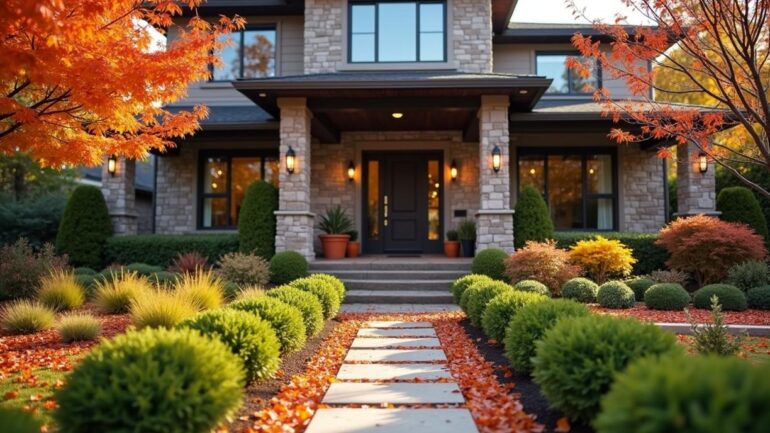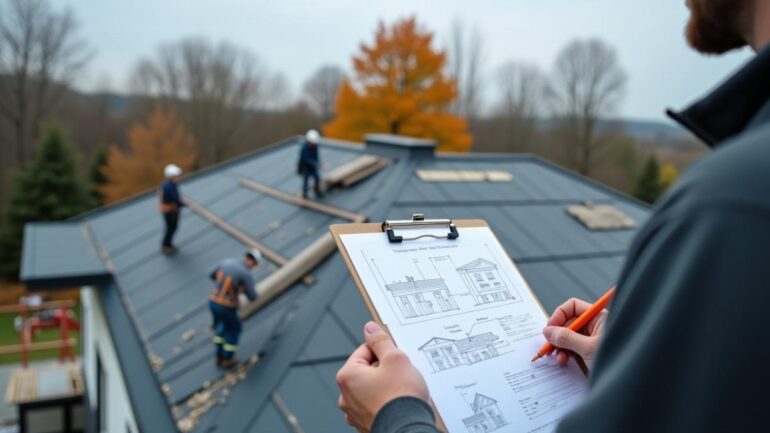
A home maintenance budget helps plan for repairs by considering your house’s age, system conditions, and seasonal tasks.
The best budget is not a single rule of thumb. A 4-year-old townhouse, a 1960s ranch, and a coastal home with salt exposure all need different plans. The goal is to separate routine upkeep, predictable replacement, and emergency repairs so one leaky valve does not wreck the month.
Start with the replacement timeline, not a guess
Many homeowners start with a percentage of home value, but that can mislead you. A small older house may need more maintenance than a larger newer one. The National Association of Home Builders’ study of home component life expectancy found asphalt shingle roofs last about 20 years, while copper wiring is expected to last the life of the home, with actual lifespan depending on installation quality and maintenance.
Walk through your home and write down the age of each major system. Include the roof, HVAC equipment, water heater, electrical panel, plumbing material, exterior paint or siding, appliances, garage door opener, and sump pump if you have one. If you do not know the age, check permit records, installation stickers, seller disclosures, or serial numbers.
For a starting reserve, many owners use 1% to 4% of the home’s value per year, with the higher end fitting older homes, harsh climates, or properties with deferred maintenance. That range is useful only after you adjust it for real conditions.
Group items by remaining life
Sort major components into three groups: due within 2 years, due within 3 to 7 years, and due after 7 years. This matters because a water heater near the end of life should be treated differently than a roof with 12 years left.
The U.S. Department of Energy notes that a storage water heater typically lasts 10 to 15 years, depending on maintenance, water quality, and installation. If yours is 12 years old and shows rust at the base, it belongs in the first group. If it is 4 years old and has been flushed, it belongs later.
Separate maintenance, repairs, and replacements
A good budget has three buckets. Routine maintenance covers tasks that prevent damage. Repairs cover broken parts. Replacements cover systems that wear out even when cared for properly.
Routine maintenance includes gutter cleaning, HVAC filter changes, caulking, pest prevention, dryer vent cleaning, and testing safety devices. The National Fire Protection Association says smoke alarms should be tested monthly and replaced when they are 10 years old. Carbon monoxide alarms also have expiration dates printed on the device.
Repairs are smaller failures such as a running toilet, damaged weatherstripping, a leaking hose bib, or a cracked garbage disposal flange. These often begin as minor issues. A toilet flapper that leaks for weeks can waste thousands of gallons, according to the U.S. Environmental Protection Agency’s WaterSense program.
Replacements require longer planning. Think roof, furnace, central air conditioner, water heater, exterior paint, windows, flooring, and large appliances. These are not emergencies if you track age, symptoms, and inspection notes.
Choose the budgeting method that fits your house
There is no single best method. The right approach depends on home age, cash flow, climate, and how much work you can safely do yourself.
| Method | Best fit | Use when | Watch for |
|---|---|---|---|
| Percentage method | Newer or average-condition homes | You need a simple starting point | Can underfund older systems |
| Component method | Older homes or known aging systems | You know system ages | Requires yearly updates |
| Seasonal method | Tight monthly cash flow | Your expenses arrive in predictable seasons | May miss sudden failures |
| Hybrid method | Most owner-occupied homes | You want accuracy without complexity | Needs a short annual review |
The percentage method is fastest. Set aside a fixed share of the home value each year, then adjust upward for age, climate, and deferred work. It works best for homes under 10 years old with no known major defects.
The component method is more precise. You list each system, estimate remaining life, and divide the future replacement need across the years left. Use this when your inspection report shows aging equipment, old cast iron drain lines, an older roof, or knob-and-tube wiring.
Match the method to risk
Use the seasonal method if you already know when work hits your calendar. For example, tree trimming often belongs before storm season, while furnace service belongs before heating season. In freezing climates, exterior hose bibs should be shut off and drained before overnight temperatures stay below 32°F.
Use a hybrid method if you want the strongest plan. Keep one monthly reserve for routine work, plus a separate line for large systems due within the next few years. This avoids pretending a 19-year-old roof and a 4-year-old roof carry the same risk.
Build your annual checklist around real failure points
A budget works better when it is tied to inspection habits. You do not need to be a contractor, but you do need to notice changes early.
Check the roof from the ground twice a year and after major wind events. Look for missing shingles, lifted edges, exposed fasteners, granule loss in gutters, and staining under eaves. Inside, brown ceiling stains after rain indicate active water movement, not cosmetic damage.
Clean gutters after heavy leaf drop and again in spring if trees overhang the roof. Gutters should slope toward downspouts at about 1/4 inch for every 10 feet. Standing water in a gutter adds weight and can rot fascia boards.
HVAC filters should be checked monthly during heavy heating or cooling seasons. Many 1-inch filters need replacement every 30 to 90 days, depending on dust, pets, and system use. A clogged filter can reduce airflow and cause coil icing or furnace overheating.
Watch the wet areas
Water causes some of the most expensive home damage because it spreads through floors, walls, insulation, and framing. Inspect under sinks, around toilets, near the water heater, and behind the washing machine every month.
Washing machine rubber hoses should be replaced about every 5 years, and braided stainless steel hoses should still be inspected for bulges or corrosion. Leave a few inches between the machine and the wall so hoses do not kink.
Check caulk at tubs, showers, backsplashes, and exterior penetrations. Gaps wider than 1/8 inch can let water behind finished surfaces. Soft drywall, swollen trim, musty smells, or loose tiles need attention before repainting or recaulking.
Set monthly amounts without overcomplicating it
Once you know what is routine and what is aging, divide the year into monthly deposits. Keep the money separate from groceries, vacations, and general savings. A dedicated high-yield savings account makes tracking easier.
For example, if your annual maintenance target is $3,600, the monthly deposit is $300. Use that figure for planned upkeep, small repairs, and replacement reserves, not remodeling or décor.
Review the amount every January and after any major repair. If you replaced the water heater, remove it from the near-term list. If an inspection finds roof damage or electrical hazards, move that item forward.
Do not raid the fund for upgrades that are not maintenance. Replacing a failed sump pump is maintenance. Swapping working laminate counters for quartz is an improvement. Painting peeling exterior trim is maintenance because exposed wood absorbs moisture.
Plan for climate and site conditions
Location changes the budget. A house near the ocean faces salt corrosion on fasteners, condenser coils, railings, and exterior hardware. A wooded lot may need more gutter cleaning, moss control, pest monitoring, and roof inspection.
In snow regions, ice dams form when heat escapes through the roof deck and melts snow, which then refreezes at the eaves. The Department of Energy recommends air sealing before adding insulation because air leaks carry moisture and heat into attics. Look for stained roof sheathing, frost on nail tips, or compressed insulation near eaves.
In hot climates, UV exposure breaks down exterior caulk, paint, plastic vents, and roof materials faster. South- and west-facing walls often show damage first because they receive stronger afternoon sun.
Homes with basements or crawl spaces need moisture checks after heavy rain. Relative humidity above 60% can support mold growth and wood decay conditions, especially where ventilation is poor. A basic hygrometer lets you track damp areas over time.
Decide what to DIY and what to hire
Some maintenance is safe for many homeowners. Changing HVAC filters, testing GFCI outlets, cleaning accessible dryer vents, replacing toilet flappers, and sealing small interior caulk gaps are reasonable DIY jobs if you follow product instructions.
Other work should usually be hired out. Electrical panel repairs, gas line work, structural changes, roof work on steep slopes, refrigerant handling, and sewer line repairs carry safety or code issues. In the United States, central air-conditioning refrigerant work is regulated under EPA Section 608 certification rules.
Use a simple test: if the job can cause fire, carbon monoxide, flooding, a fall, or a code violation, hire a licensed pro. Also hire when the diagnosis is uncertain. Replacing parts at random can waste time and hide the real defect.
Keep records of what you do. Save receipts, service reports, warranty documents, paint colors, filter sizes, appliance model numbers, and permit approvals. A folder with dates and photos helps you budget next year and gives buyers useful proof of maintenance.